
A single slow bathroom sink is annoying, but it rarely means your whole sewer system is failing. A main line problem looks different, and in Denver, where pre-1960 clay laterals and mature street trees are common, confusing the two can cost you a weekend of plunging while wastewater keeps rising somewhere else in the house. Denver Drain Cleaners walks through the same fixture-vs-main split on their homepage before anyone quotes a job.
Fixture clog vs. main line: the quick distinction
A fixture clog affects one drain. Water may pool in one tub or one kitchen sink. Other fixtures on the same floor usually drain normally. A plunger or short hand auger often clears it because the blockage sits in the branch line serving that fixture, hair and soap in a bathroom, grease in a kitchen run.
A main sewer line problem affects the pipe every fixture feeds into. Warning signs stack up:
- More than one drain slow or backing up at the same time
- Toilet gurgles when you run the washing machine or empty a tub
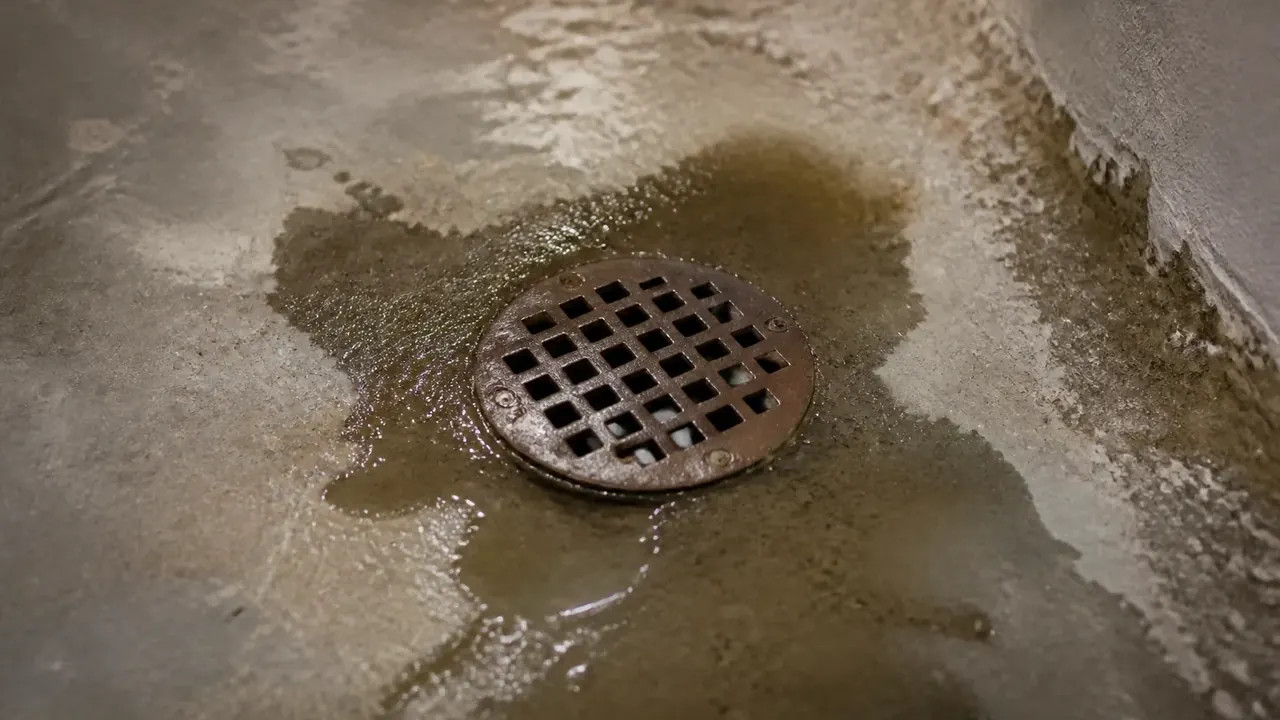
- Water appears in a floor drain or shower when you flush
- The lowest fixture in the house backs up first, often a basement floor drain or first-floor toilet
- Outdoor cleanout overflow or sewage smell near the lateral
Why Denver homes see main line failures more often
Denver's older neighborhoods, Wash Park, Park Hill, Montclair, Harvey Park, often sit on vitrified clay sewer laterals with joints every few feet. Siberian elms, cottonwoods, and silver maples send roots toward moisture at those joints. That is a main-line pattern, not a P-trap problem.
Newer areas on PVC have fewer root issues but still get main-line grease packs and flushable-wipe clogs. The symptoms look the same even when the cause differs.
What to do before you call anyone
Stop running water everywhere, toilets, dishwasher, washing machine. Note which fixtures are affected and whether the problem started after heavy rain (saturated ground can expose a cracked lateral). If only one fixture is involved and a plunger does not help after two honest attempts, you may still have a branch blockage deep enough to need a cable.
If multiple fixtures are involved, do not keep flushing. That pushes volume into the lowest opening, which is often a basement floor drain. At that point you need someone with a main-line machine, not a hand snake from the hardware store.
When it is urgent: Active backup with standing wastewater is an emergency. A Denver team that handles same-day main line backups can tell you on the phone whether to stop using water immediately.
How professionals confirm it
A drain specialist will ask which fixtures are affected, locate your cleanout if you have one, and run a cable sized for the pipe diameter, 3-inch branch vs. 4-inch main are different jobs. If the clog returns on a schedule, they may recommend a camera to see roots, scale, or a bellied section of pipe.
Knowing the difference before you call saves you from paying for a sink visit when the real problem is 60 feet out in the lateral. It also keeps you from treating a main backup like a DIY project that makes the mess worse.