
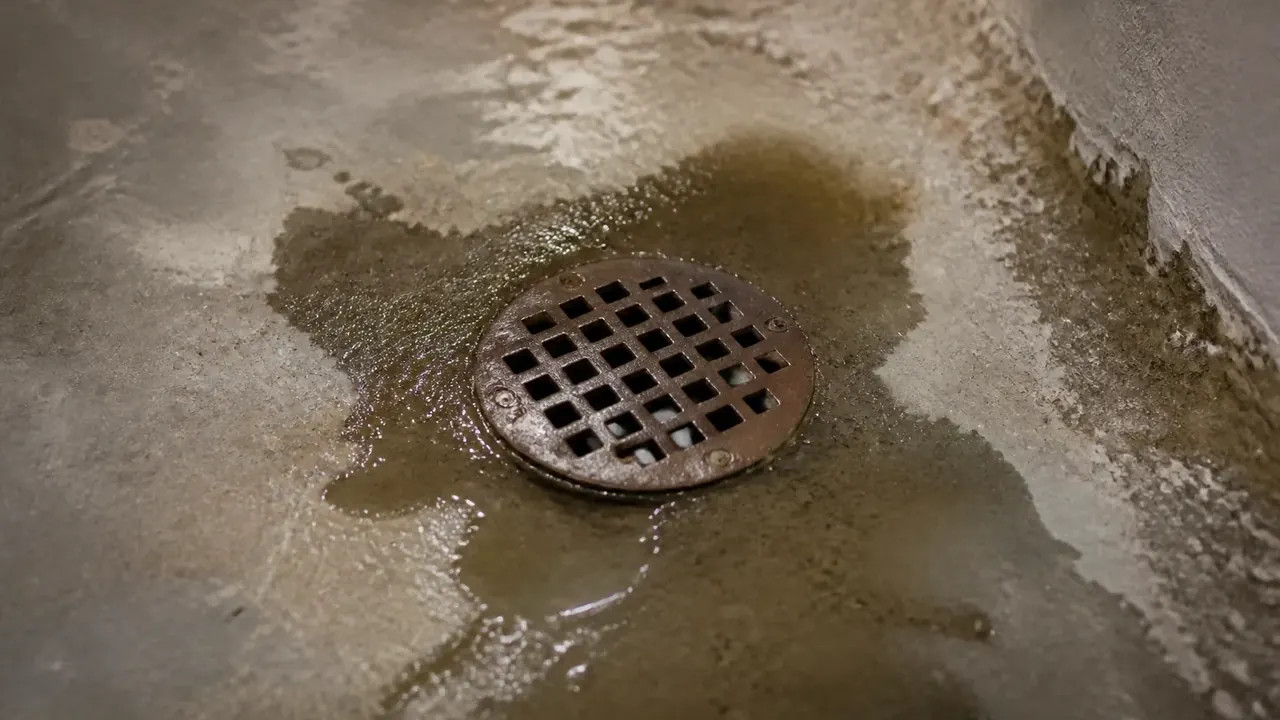
Signs You Have a Main Sewer Line Problem, Not Just a Clogged Drain
One slow sink is usually a branch line. Multiple fixtures backing up point at the main. Here is how Denver homeowners tell the difference.
Plain-language articles about pipe problems Colorado homes actually get, clay laterals, cast iron, freeze-thaw stress, root season, and the difference between a slow sink and a main line backup.
One slow sink is usually a branch line. Multiple fixtures backing up point at the main. Here is how Denver homeowners tell the difference.
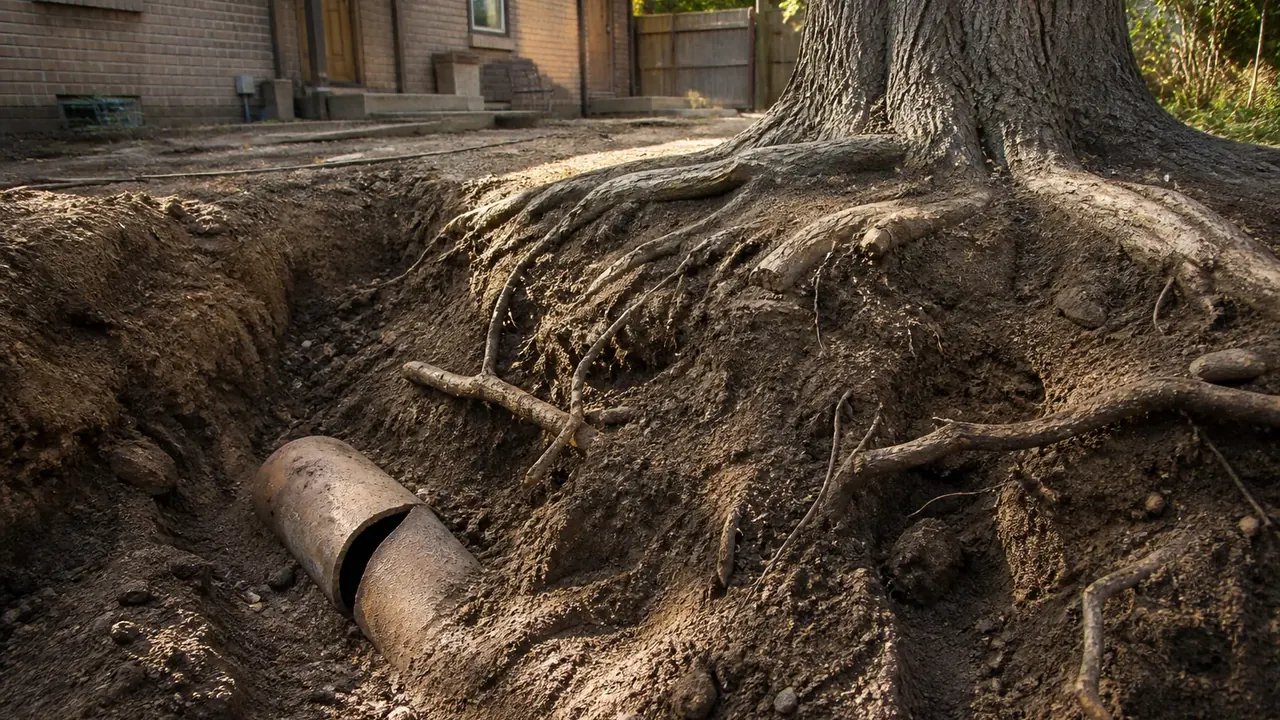
Clay joints and thirsty tree roots are the most common reason a Denver main line clogs every spring.
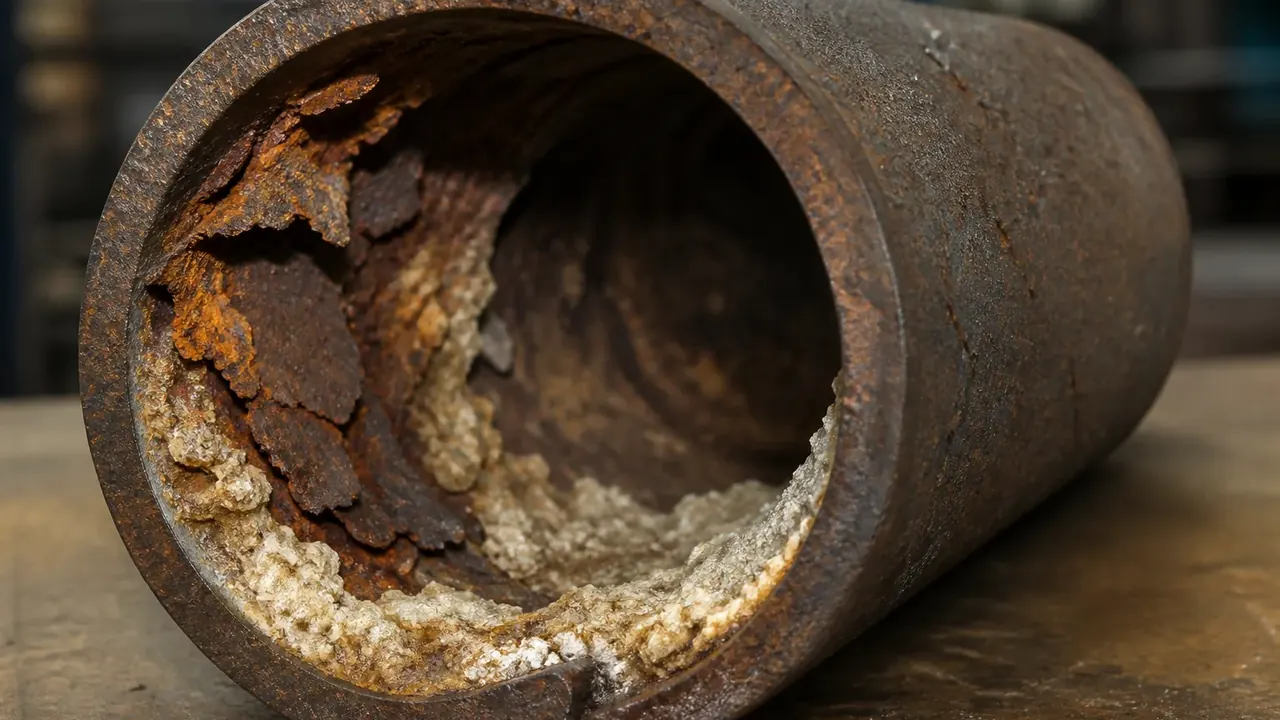
Cast iron narrows from the inside out. Hair and grease catch on a rough wall long before the pipe looks bad from outside.
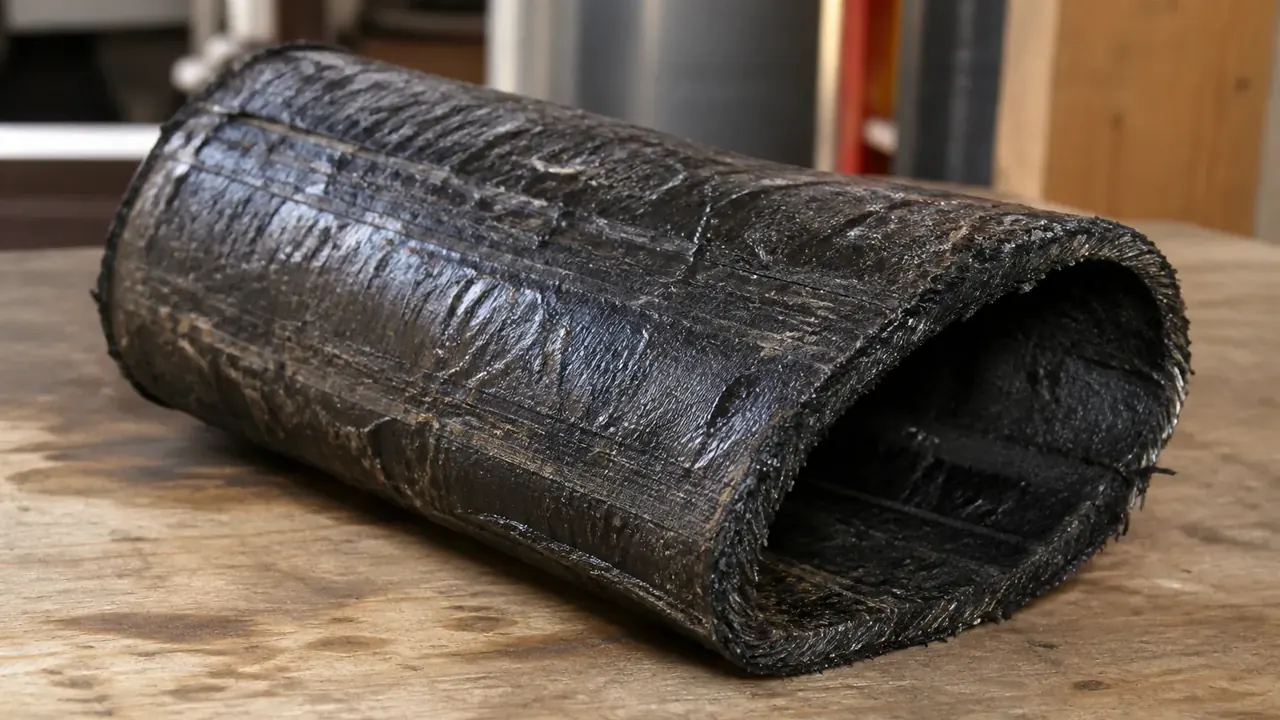
Tar-impregnated fiber pipe narrows into an oval under load. Cleaning buys time, it does not fix the pipe.
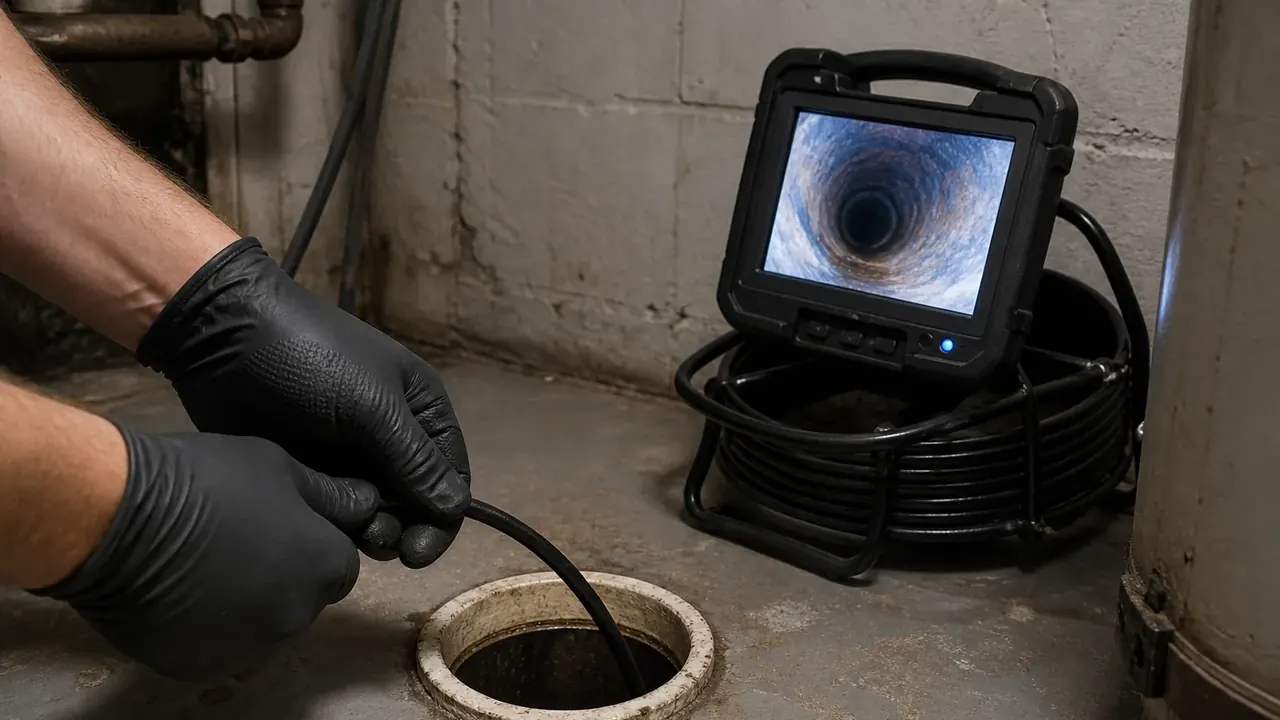
A camera turns guessing into evidence. Here is what the footage typically reveals in Denver laterals.
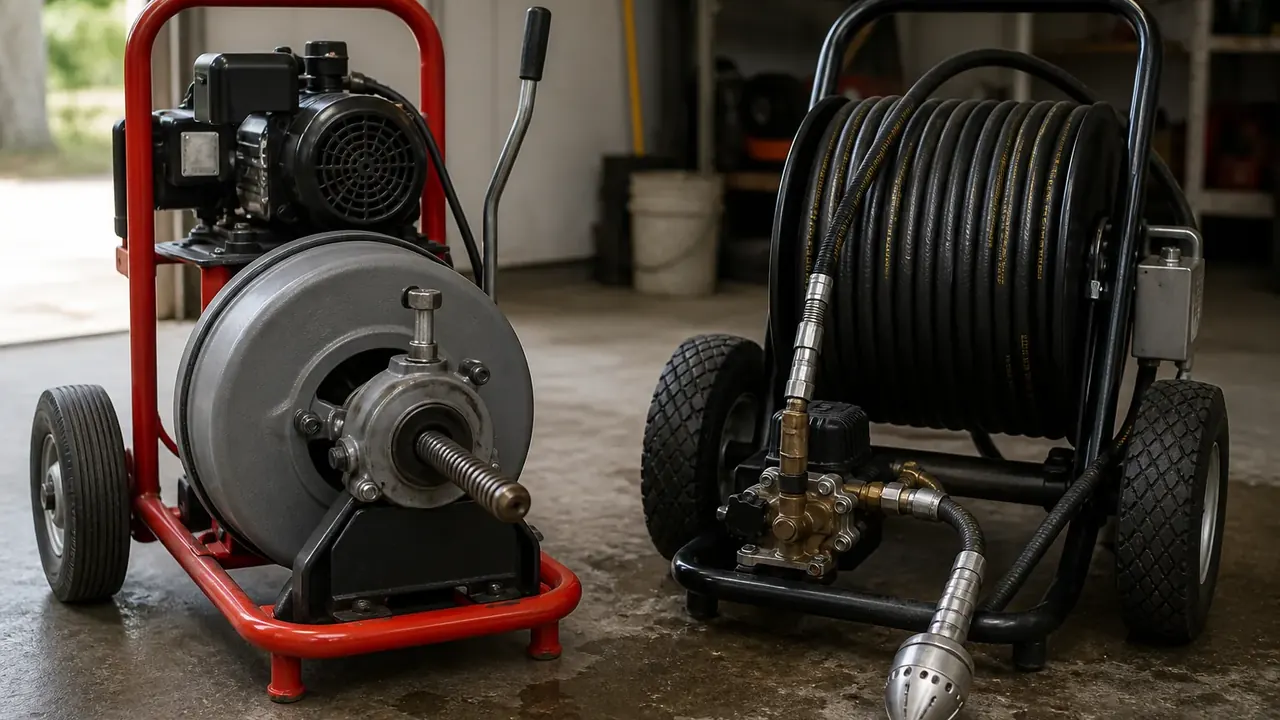
Cabling punches a hole through a blockage. Jetting scours the pipe wall. The right choice depends on what is inside your line.
Denver's housing stock spans a century of different pipe materials. A 1925 bungalow in Washington Park, a 1965 ranch in Harvey Park, and a 2015 build in Central Park do not fail the same way. Most generic plumbing advice ignores that.
Mile High Drain Desk collects local, practical information so you can tell whether a problem sounds like a fixture clog, a lateral issue, or something that needs a camera before anyone spends money.